

Our History
Honoring Our Legacy. Building a More Caring Future
NAC founder, Gail Gibson Hunt, had a vision for the future of family caregivers. One in which our nation’s family caregivers were visible, valued, and supported.
While the nation had begun to examine the need for long-term family caregiving, it had not yet become a topic of national conversation. Yet friends and family were quietly supporting people in their lives with disabilities and health care needs, largely unrecognized in policy, research, or public life. For many, managing complex care at home or in the community with little guidance, little support, and almost no visibility was the norm.
In 1996, Gail convened five national organizations with one goal to meet the needs of family caregivers in an aging America. Working with USAging, the American Society on Aging, the U.S. Department of Veterans Affairs, GlaxoSmithKline, and the National Council of Aging, the National Alliance for Caregiving was born to change the story of care. Since our founding, NAC has elevated family caregivers as a national priority, including those caring for loved ones with complex or chronic conditions, caregiving youth, and caregivers of color.
For 30 years, we have translated research into action, helping to secure meaningful progress for family caregivers nationwide. From landmark laws such as the National Family Caregiver Support Program, the Lifespan Respite Care Program, the VA Mission Act, and the RAISE Family Caregivers Act to ongoing efforts to advance paid family and medical leave, NAC has worked to ensure that family caregivers are heard, recognized, and represented where decisions are made. We are, and will always be, at the table ensuring family caregivers have a powerful voice in Washington.
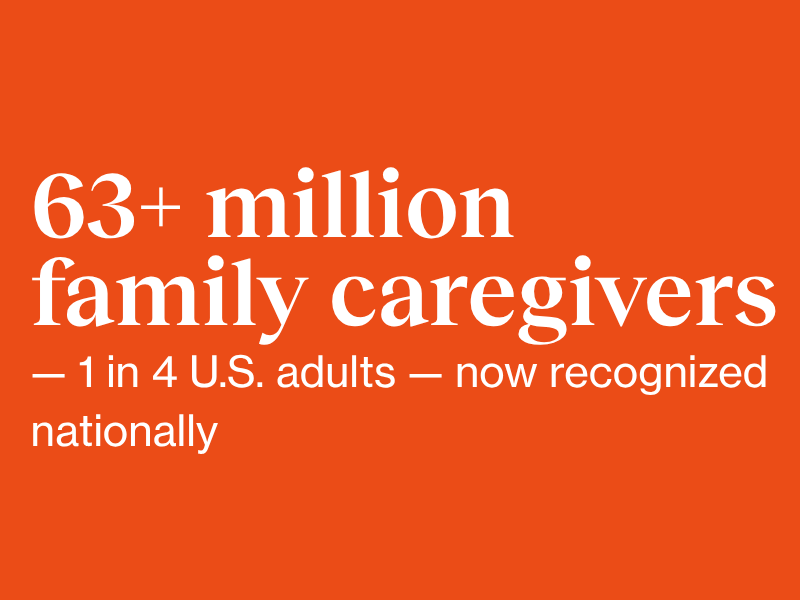
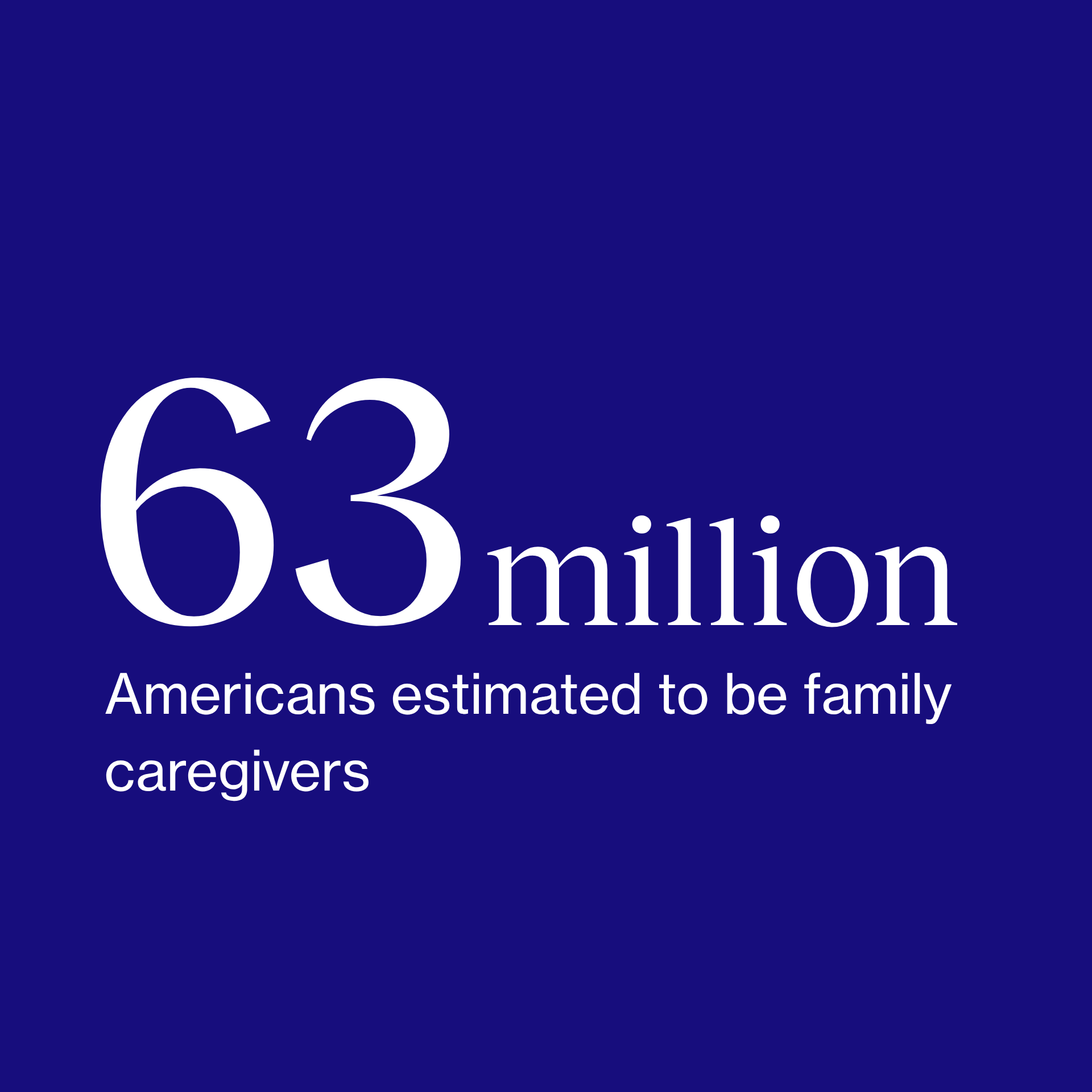
Today, more than 63 million Americans provide ongoing care to a family member, neighbor, or friend — an estimated $1.01 trillion worth of care each year. Millions of them are doing it while balancing jobs, health challenges, and financial strain. When NAC was founded 30 years ago, this work was largely invisible: caregiving was something families handled quietly, out of view.
Three decades later, that is no longer the case. Caregiving is now firmly on the national agenda: we are shaping discussions in Congress, influencing health system leaders, and commanding greater attention in the news. This progress belongs to the family caregivers, advocates, partners, and organizations who have worked alongside NAC for 30 years to make care visible.
Caregiving has moved from the margins to the mainstream. As we mark this milestone, the work ahead is making sure the policies and systems families rely on catch up with the realities of caregiving in America.
30 Years of Impact
Thirty years ago, family caregiving was invisible to society. In 1996, a group of national organizations came together around a simple conviction: the largest unpaid workforce in America deserved to be counted, understood, and supported. Today, caregivers are counted, studied, and increasingly recognized as essential partners in care. Here’s what three decades of that work has built.

1997
First National Study
We Made Caregiving Count
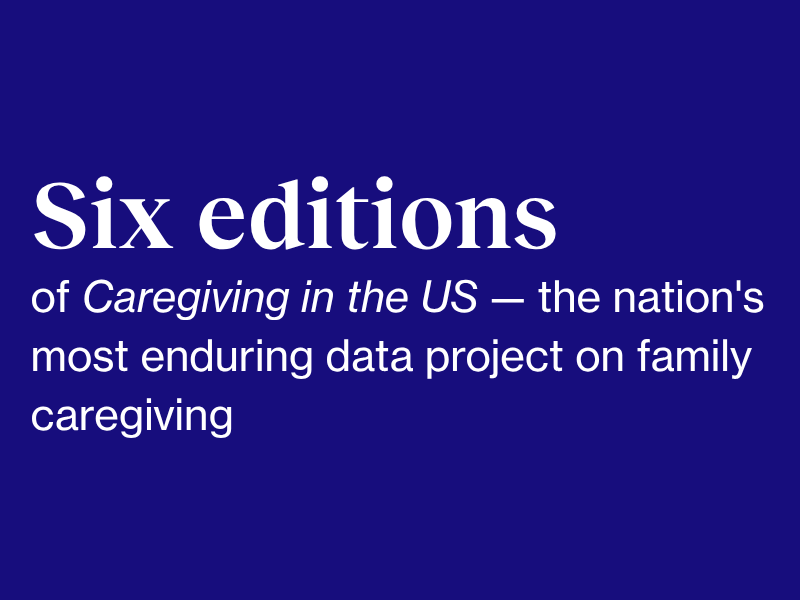
Beginning with the 1997 Caregiving in the US study, conducted in partnership with AARP, NAC created the evidence base the caregiving movement stands on today.
4
Landmark Federal Laws
We Turned Evidence Into Policy
NAC research and advocacy helped inform every landmark caregiving policy of the past 30 years: the National Family Caregiver Support Program (2000), the Lifespan Respite Care Program (2006), the VA caregiver programs (2010, expanded 2018), and the RAISE Family Caregivers Act (2018) — which produced the National Strategy to Support Family Caregivers, the nation’s first-ever federal blueprint for family caregivers.

130+
Coalition Organizations
We Built a Movement
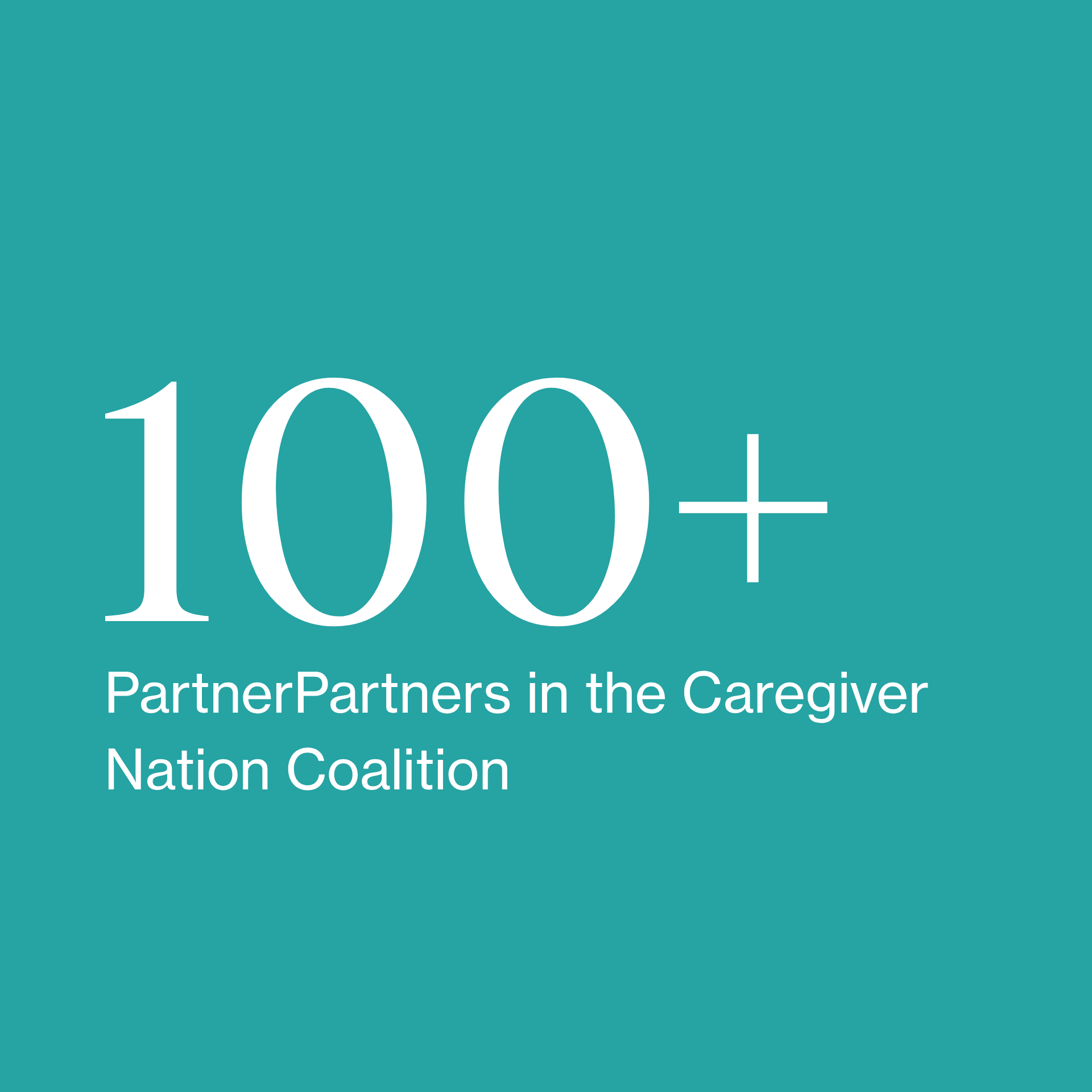
What began as a handful of organizations is now a national force:
- Launched the Caregiver Nation Coalition with 130+ national, state, and local organizations across aging, disability, healthcare, employers, philanthropy, and government
- Created the Caregiver Nation Network, linking state caregiving leaders and investing in their capacity to shape state and federal policy
- Founded the International Alliance of Carer Organizations, carrying the movement worldwide
4B
Media Impressions
We Put Caregiving on the Front Page
The release of Caregiving in the US 2025 generated more than 1,200 media stories and 4 billion impressions — bringing caregivers’ realities to policymakers, employers, and families nationwide. Caregiving is no longer a private struggle. It’s a national conversation.
A History of Our Impact
NAC is Born

A National Voice for Caregivers Is Created
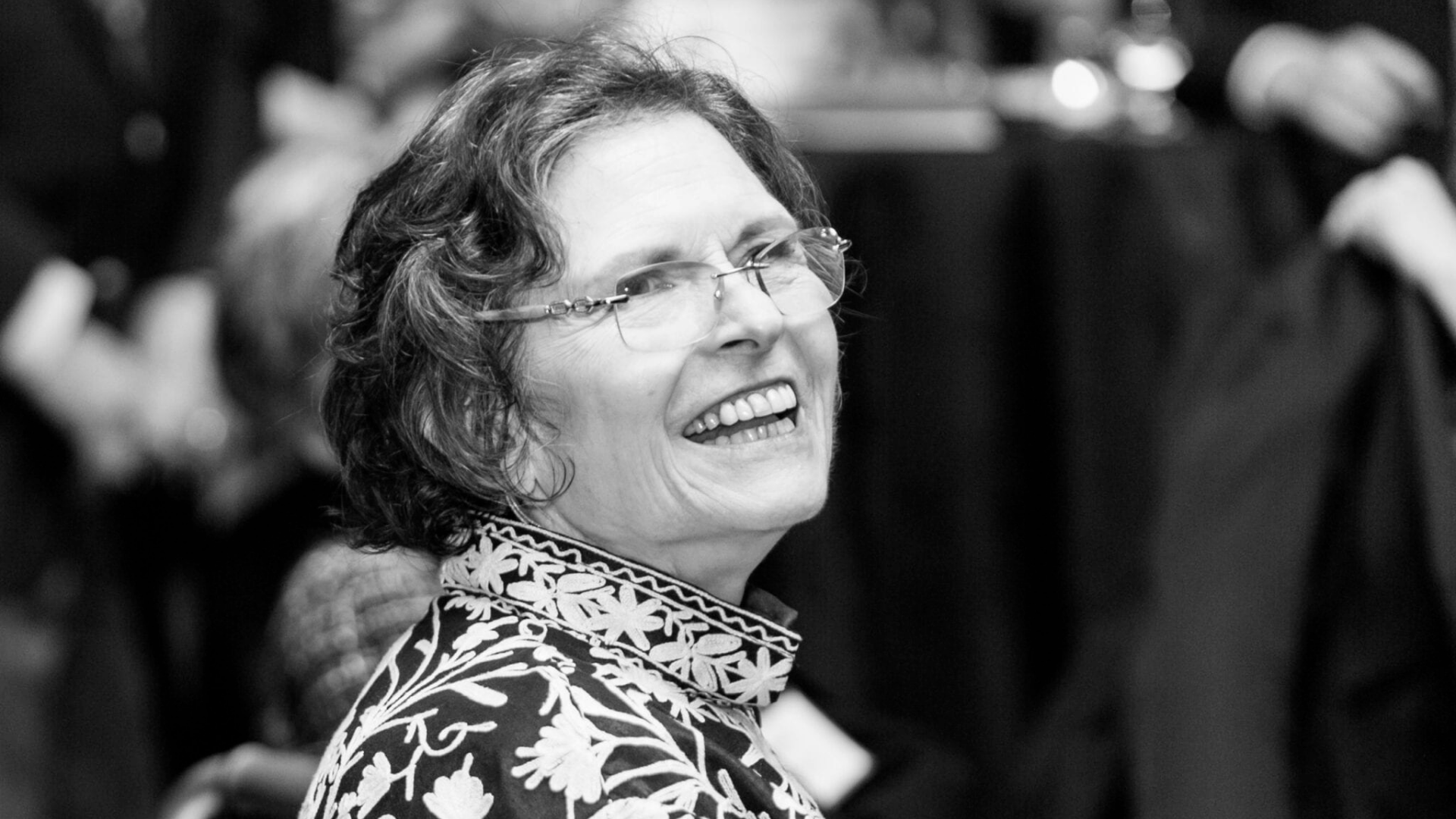
Gail Gibson Hunt founds the National Alliance for Caregiving with a coalition of five national organizations — bringing together aging, veterans affairs, and healthcare sectors to build the country’s first dedicated research and advocacy coalition for family caregivers.

For the First Time, America Counts Its Caregivers
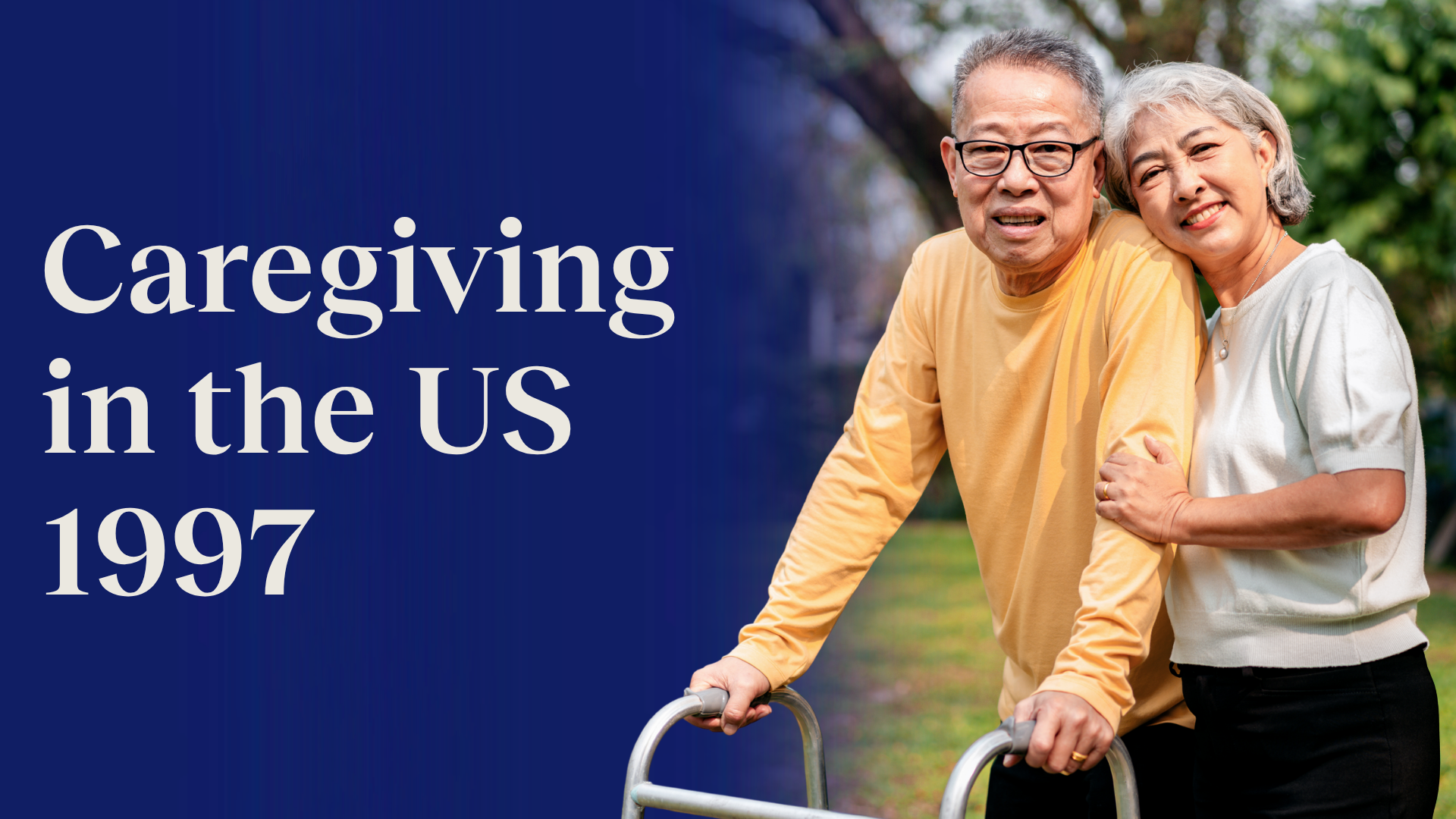
NAC and AARP publish the nation’s first comprehensive national survey of family caregivers. The field of caregiving research is created. Policymakers now have a number — and a face — to attach to an invisible workforce.
Building the Case

The First Federal Program to Support Family Caregivers Is Established
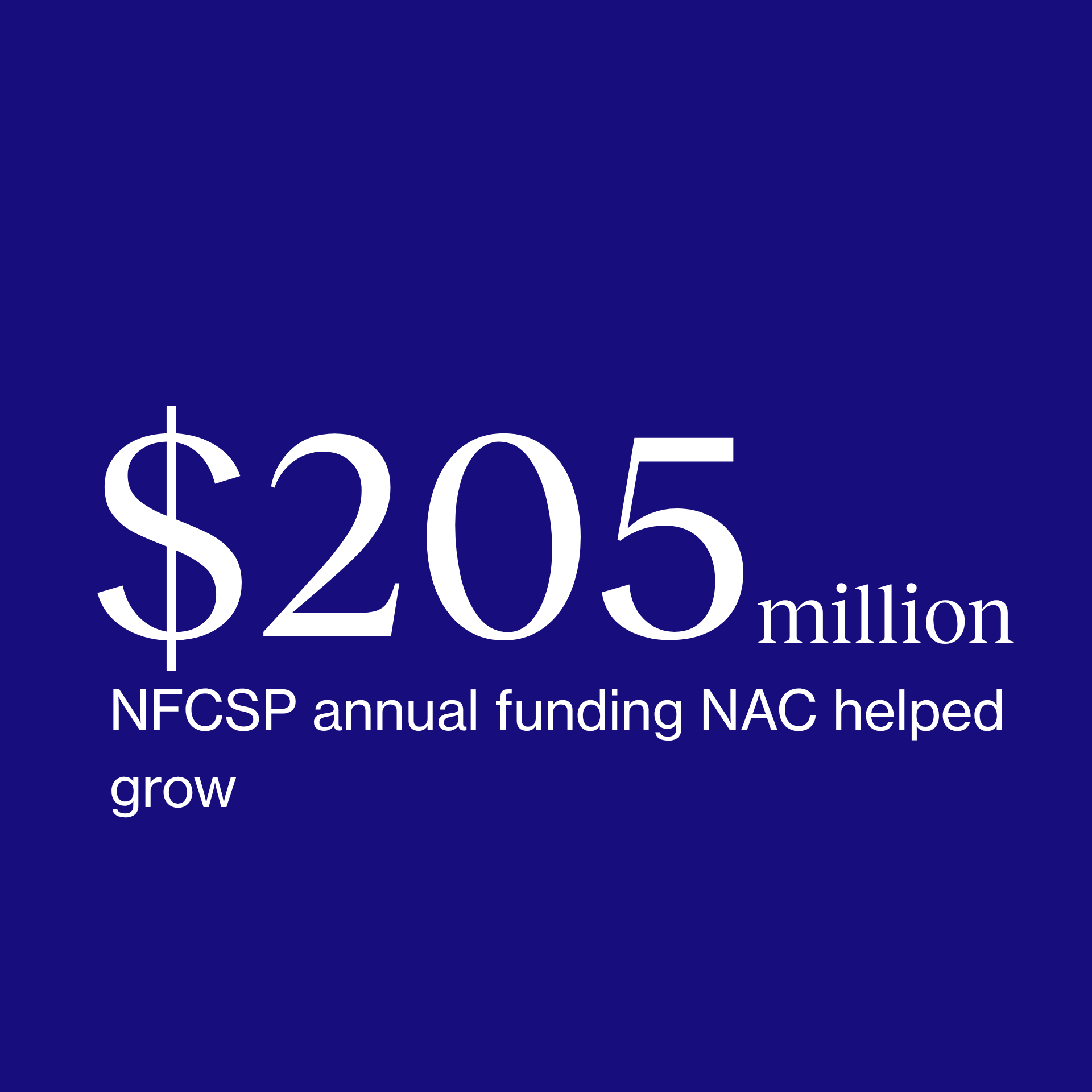
Established through the Older Americans Act, the National Family Caregiver Support Program (NFCSP) provides grants to states and territories — based on their share of the population age 70 and over — to fund a range of supports that help family and informal caregivers care for their loved ones at home for as long as possible. NAC has helped advocates and policymakers grow this program to $205 million annually.

Going Global


NAC Takes Caregiving to the World — IACO Founded in Dublin
NAC convenes the first meeting of the International Alliance of Carer Organizations in Dublin, Ireland — establishing a global coalition that now represents 16 nations and ensures caregiving is recognized as one of the most pressing policy issues worldwide.
Policy Breakthrough

Federal Law Requires a National Caregiving Strategy — For the First Time
The RAISE Family Caregivers Act is signed into law on January 22, 2018 — the first federal law in U.S. history to mandate a National Family Caregiving Strategy. NAC’s years of research and advocacy are a driving force behind its passage.



COVID Exposes the Crisis — 53 Million Caregivers and Counting
Released during the COVID-19 pandemic, Caregiving in the U.S. 2020 finds 53 million Americans — a 9.5 million increase since 2015 — are providing unpaid care, and that caregivers are in measurably worse health than five years prior. The data fuels a national call to act.
National Strategy Era

America Gets Its First-Ever National Caregiving Strategy
The Biden Administration releases the National Strategy to Support Family Caregivers — outlining nearly 350 actions across 15 federal agencies. NAC’s two decades of research and advocacy are foundational to this historic milestone.


63 Million Caregivers — The Most Comprehensive Portrait Ever
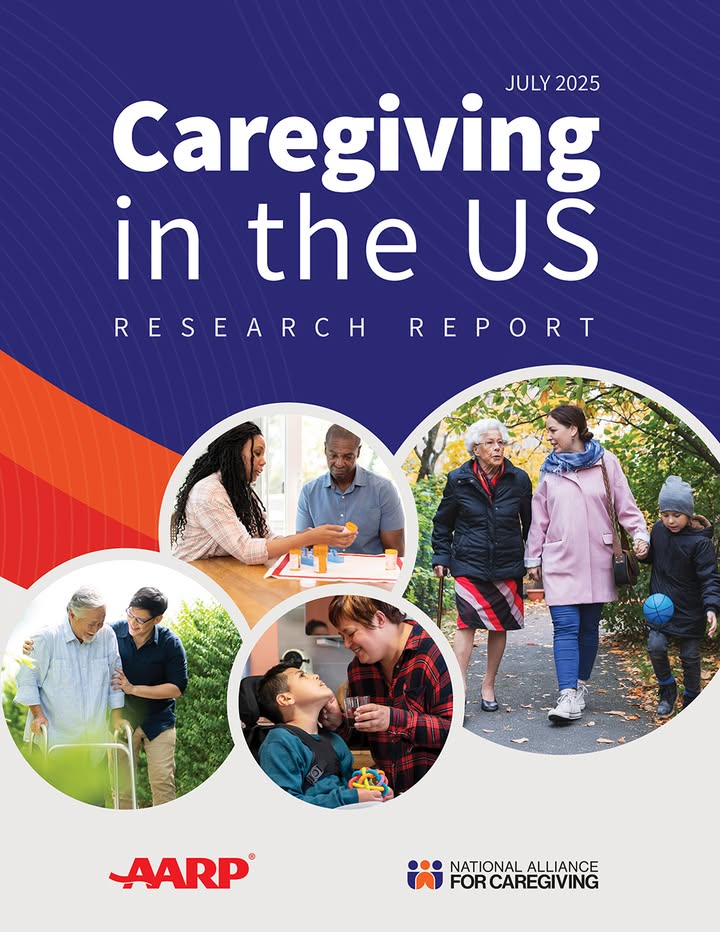
Caregiving in the U.S. 2025 reveals 63 million Americans — 1 in 4 adults — are caregivers, a 45% increase since 2015. The edition breaks new ground with the first-ever data on paid family caregivers and a state-by-state Caregiving Complexity Index.
Leadership Through the Years
Gail Gibson Hunt | 1996–2018
Gail Hunt built NAC from the ground up, turning a little-recognized issue into a national field of research and advocacy. Her leadership helped establish caregiving as something that could be studied, measured, and acted on. Gail launched the Caregiving in the U.S. research series with AARP, supported the passage of the National Family Caregiver Support Program and the VA Family Caregiver Assistance Program, and the Lifespan Respite Act. A respected global thought leader, Gail founded the International Alliance of Carer Organizations and hosted a global congress on caregiving.
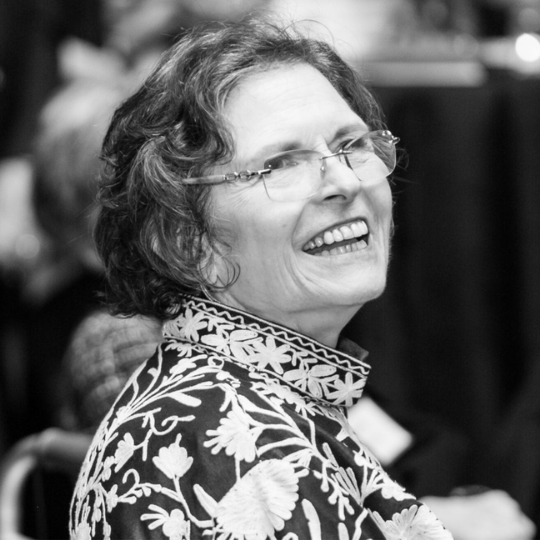
C. Grace Whiting | 2018–2021
C. Grace Whiting stepped in at a moment of transition and growth, expanding NAC’s reach and sharpening its role in policy, research, and cross-sector collaboration. Grace’s team supported the passage of the RAISE Family Caregivers Act, advocating for the legislation in major media outlets such as C-SPAN and through NAC’s coalition network. Grace expanded NAC’s research focus to include rare diseases, cancer, mental illness, and autoimmune diseases, creating a dedicated research team in honor of Gail Hunt. Navigating the organization through the COVID-19 pandemic, Grace relocated the headquarters to downtown DC and expanded the staff and program reach.
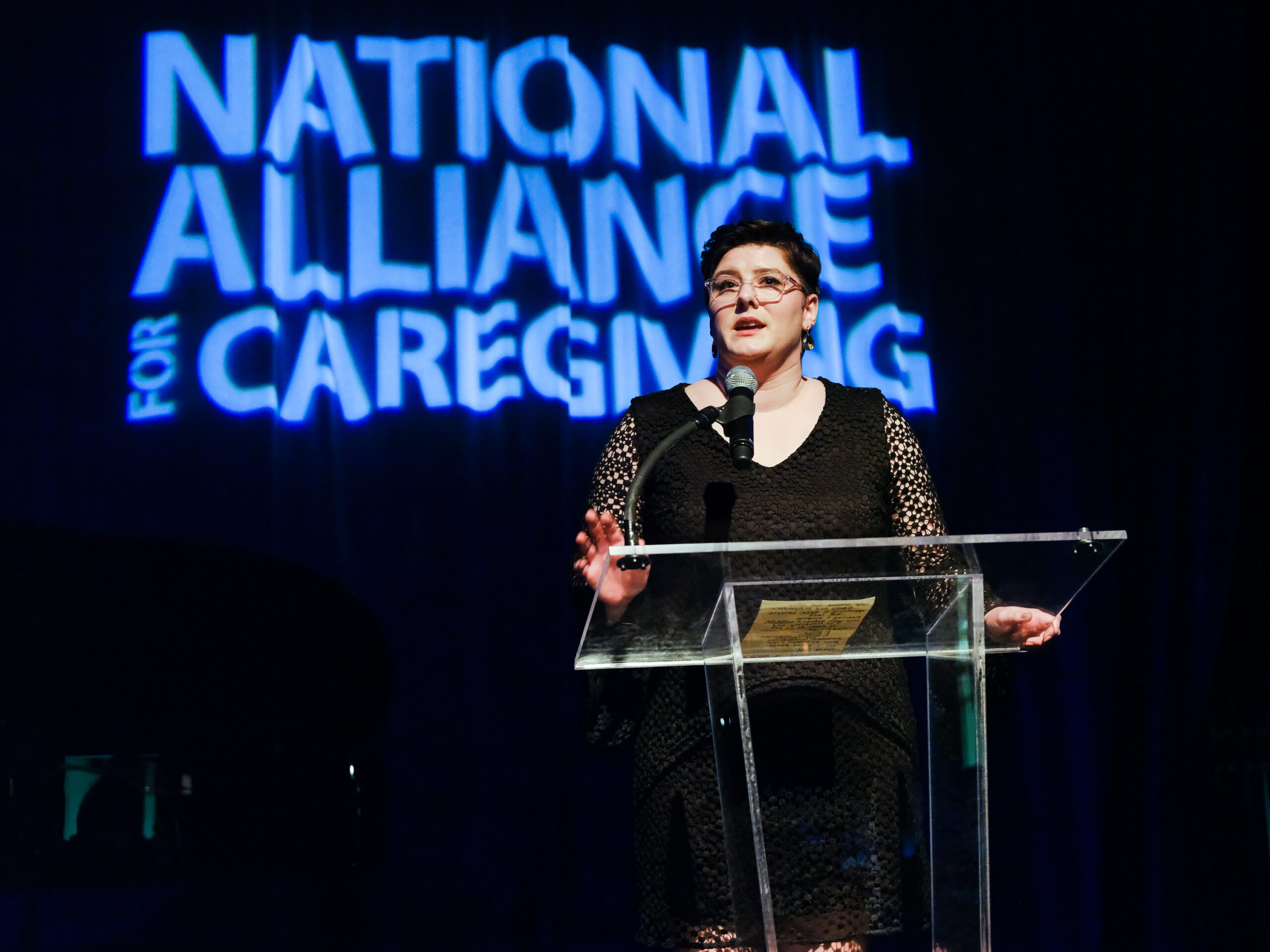
Jason Resendez | 2022–Present
Under Jason Resendez, NAC is looking squarely at what comes next: a future in which the demand for care will only grow, and in which caregiving must move from the margins of policy to the center of how America supports families. A nationally recognized expert in family policy and healthcare, Jason brings to NAC a conviction that research and advocacy must capture the full breadth of the caregiving experience—and that systems, not just sentiments, must change.
Under his leadership, NAC has expanded its influence on Capitol Hill and built powerful coalitions for change, including the Caregiver Nation Coalition. Jason has helped shape landmark policy wins—from Medicare payment transformation to support family caregivers to increased federal funding for the National Strategy to Support Family Caregivers. His vision is clear: a country where family caregivers are seen, valued, and supported by the systems they hold together.



Contact / Subscribe to Newsletter