The Invisible Infrastructure: Honoring Women Caregivers This Women’s History Month
I never got to know my grandmother Elva. She died from cancer when I was just a baby — but her presence has loomed large in my life nonetheless. 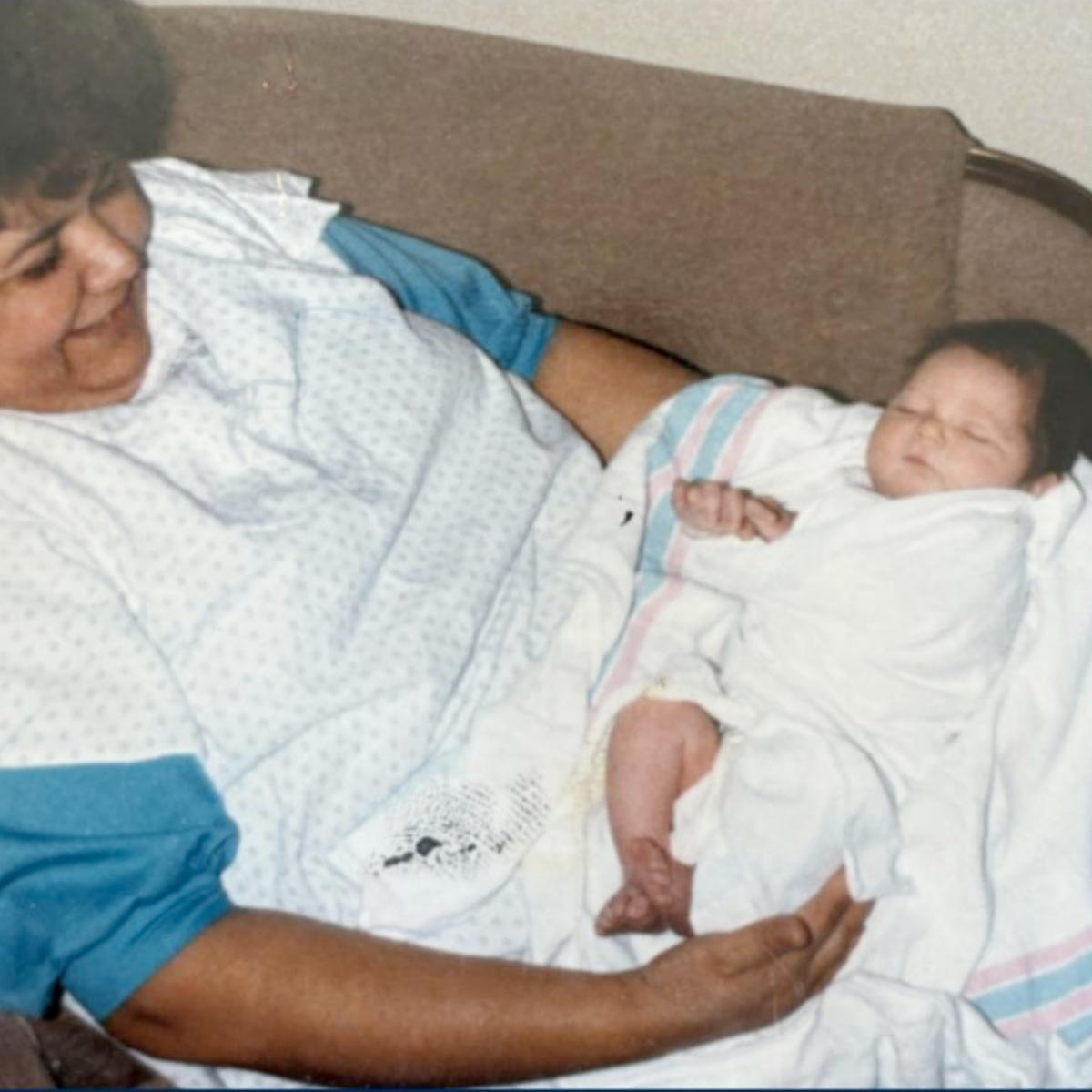 I grew up knowing her through the stories my parents, my grandfather, aunts and uncles told: that she was a master of Mexican rice, that she raised three kids — including my mischievous father — while working odd jobs as a seamstress, a skill and love she inherited from her own mother. In our small South Texas town, she was, like so many women, quietly holding everything together.
When she got sick, my grandfather became her primary caregiver — guiding her through complex treatments, grappling with mounting hospital bills, devoted to her until the very end. The loss was profound. And the financial toll of that caregiving journey shaped his future in ways our family still carries today.
 There are millions of stories like hers.
Women’s History Month is a moment to celebrate progress — and to reckon honestly with the invisible labor that makes that progress possible. Because behind everywoman who broke a barrier, there was almost certainly another woman providing the care that made it possible. And when women get sick, when they need care themselves, the absence of support systems falls hardest on the families who love them.
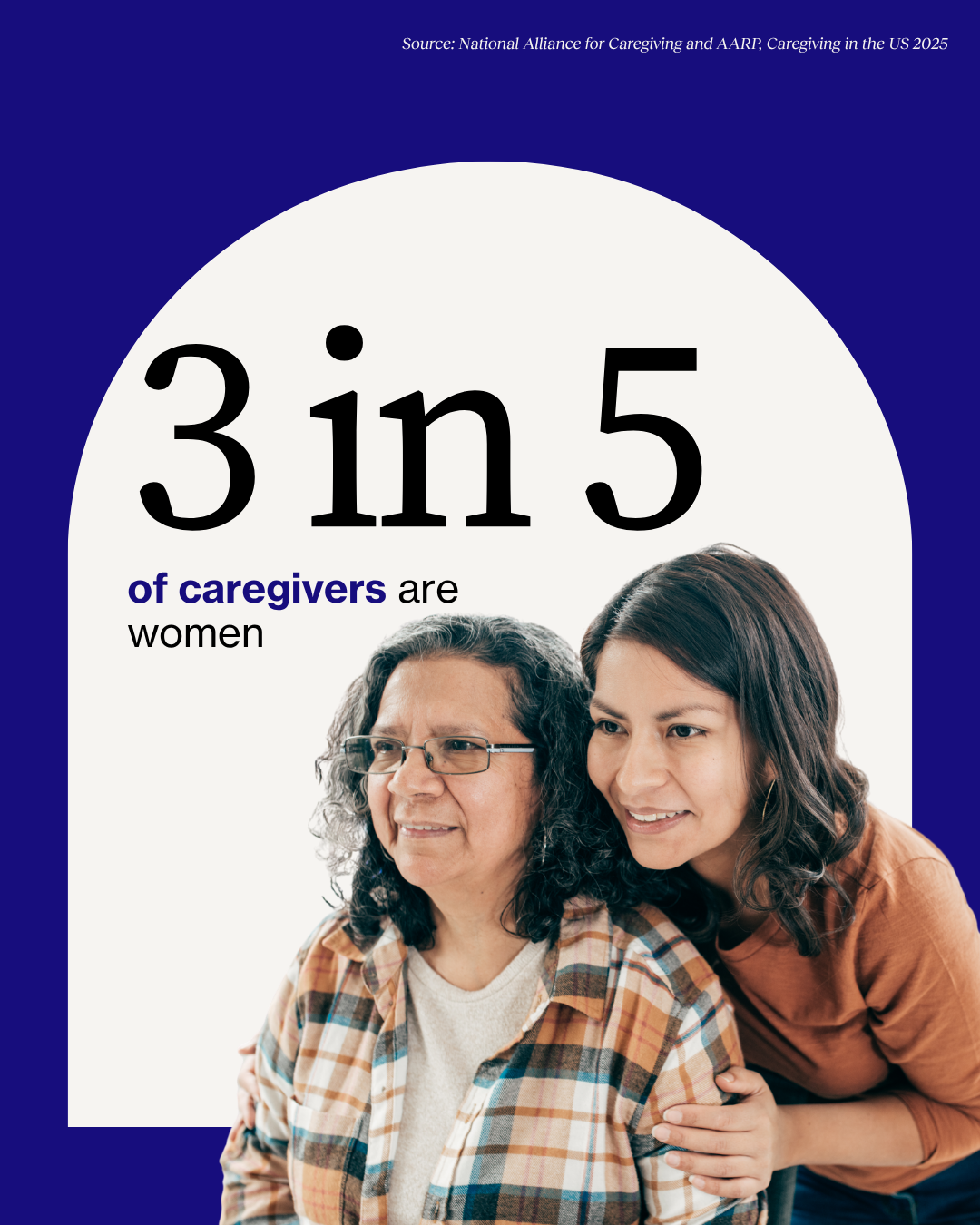
New data from Caregiving in the US 2025 makes the gendered nature of care impossible to ignore. Three in five family caregivers are women. They are the ones managing medications, navigating complex health systems, and shouldering the mental load that keeps families — and by extension, our entire society — functioning. Female caregivers more often monitor their loved one’s condition, communicate with health care providers, and advocate on their behalf than their male counterparts.
And they are doing it at enormous personal cost.
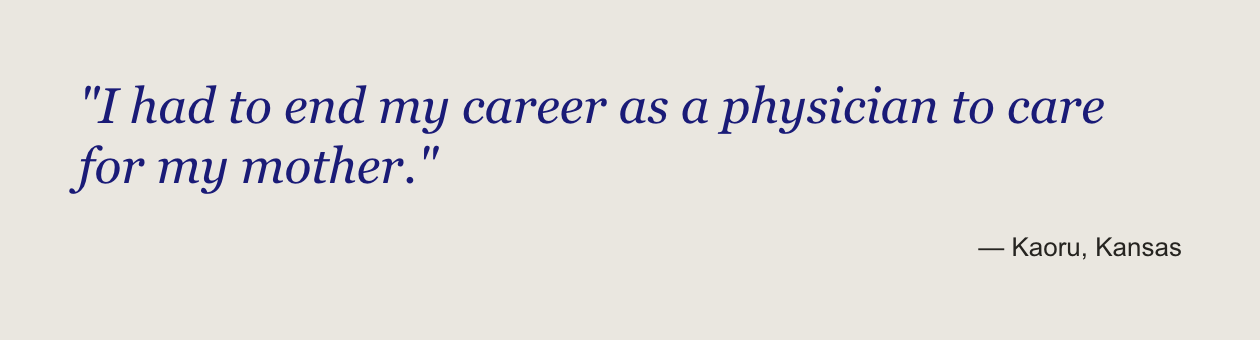
Women report higher rates of emotional stress than men — 41% compared to 33%. They experience more physical strain. They are more likely to report financial hardship as a direct result of their family caregiving. More than one in four women caregivers say they struggle to take care of their own health while caring for someone else. The professional toll compounds this: half of all working caregivers report going in late, leaving early, or stepping back from their careers to meet caregiving demands. One woman in our study said it simply:
“I had to end my career as a physician to care for my mother.” — Kaoru, Kansas
Her story echoes my grandmother’s. It echoes the story of women across generations who absorbed the costs of care — in lost wages, depleted savings, deferred dreams — so that the people they loved could be held with dignity.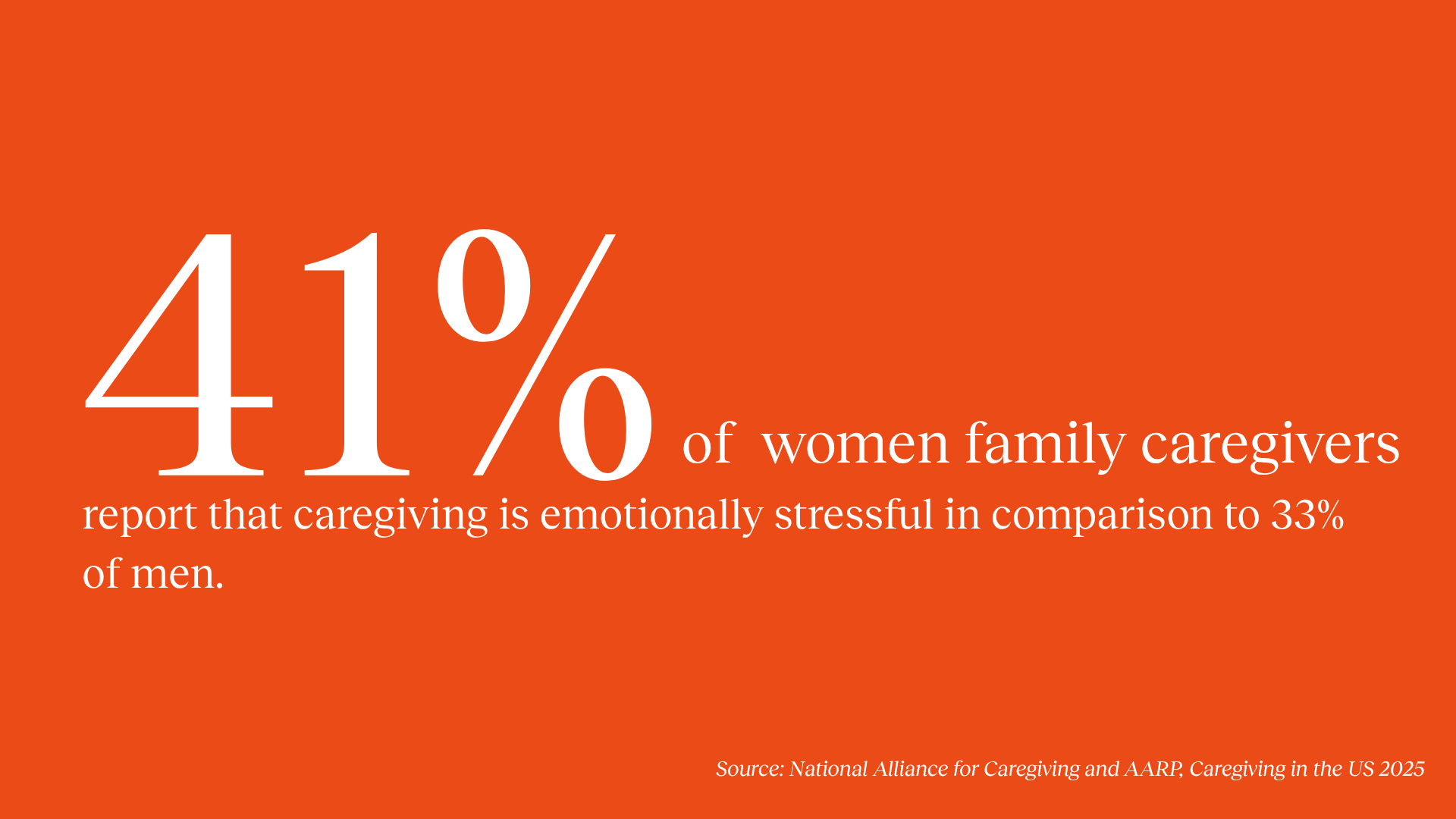
This is not a personal failing. It’s a systems failure.
Caregiving is essential infrastructure. Yet the women who provide it remain largely unsupported and unseen. Celebrating women’s progress means nothing if we don’t also fight for the policies that give family caregivers the support they so generously give to everyone else. Policies like paid leave, a strong Medicare and Medicaid program, and access to quality and affordable healthcare.
Elva deserved better. So do the millions of women carrying her story forward today.
Explore the data at caregivingintheus.org