For most of American history, family caregiving didn’t have a name, a number, or a seat at the policy table. It was simply what families—mostly women—did behind closed doors. It was the daughter driving her father to chemotherapy, the spouse managing complex medication schedules, the grandmother stepping in to raise a grandchild. Caregiving was everywhere, but it was invisible.
And let’s be clear: invisible communities rarely get served by policy. To serve them, you have to make them visible first.
That conviction—simple, demanding, and still unfinished—is why the National Alliance for Caregiving (NAC) was founded 30 years ago. It has driven every data point we’ve published, every coalition we’ve built, and every legislative battle we’ve fought. As we mark three decades of work, we are reflecting on the progress of a movement we’ve built together to change the story of care.
The Count Begins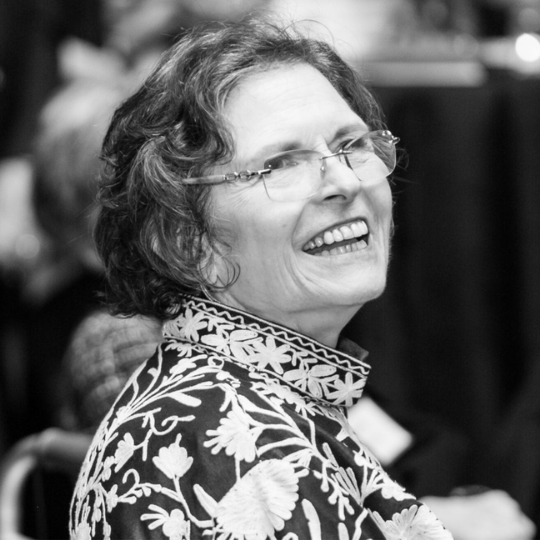
In 1996, pioneering aging researcher Gail Gibson Hunt brought together five national organizations across aging, veterans affairs, and health care around a single, disruptive vision: making care visible. It was the country’s first dedicated research and advocacy coalition for family caregivers.
Shortly after, NAC partnered with AARP to publish the nation’s first comprehensive survey of family caregivers. Caregiving in the U.S. did more than gather statistics; it established an entirely new field of research. For the first time, it gave policymakers a hard number and a human face to attach to an unpaid workforce our country relied on, but had never formally acknowledged.
That evidence translated into action. In 2000, the National Family Caregiver Support Program was established under the Older Americans Act—the first federal program built explicitly to fund caregiver support in communities. Today, NAC has helped champion and grow that program to $205 million annually. The playbook was set early: gather the data, measure the progress, put real human voices behind the numbers, and turn evidence into real-world support.
The Law Catches Up
Policy, however, takes time to match the data. To bridge the gap between initial awareness and federal action, NAC turned Caregiving in the U.S. into a continuous tracking study with updated editions in 2004, 2009, 2015, and 2020. Each iteration proved that caregiving wasn’t a static family issue, but an escalating national challenge. Alongside this data, we fought for early structural milestones, including championing the federal Lifespan Respite Care Act of 2006 to establish a community-wide strategy for caregiver relief and rest.
This compounding evidence base laid the groundwork for our next major legislative breakthrough: the 2018 passage of the RAISE Family Caregivers Act, establishing our country’s first-ever National Strategy. For the first time, federal law formally recognized that caregiving is a cornerstone of our nation’s long-term care infrastructure. NAC put two decades of evidence to work, recruiting 26 family caregivers whose real-world experiences directly shaped the federal advisory council’s inaugural report to Congress.
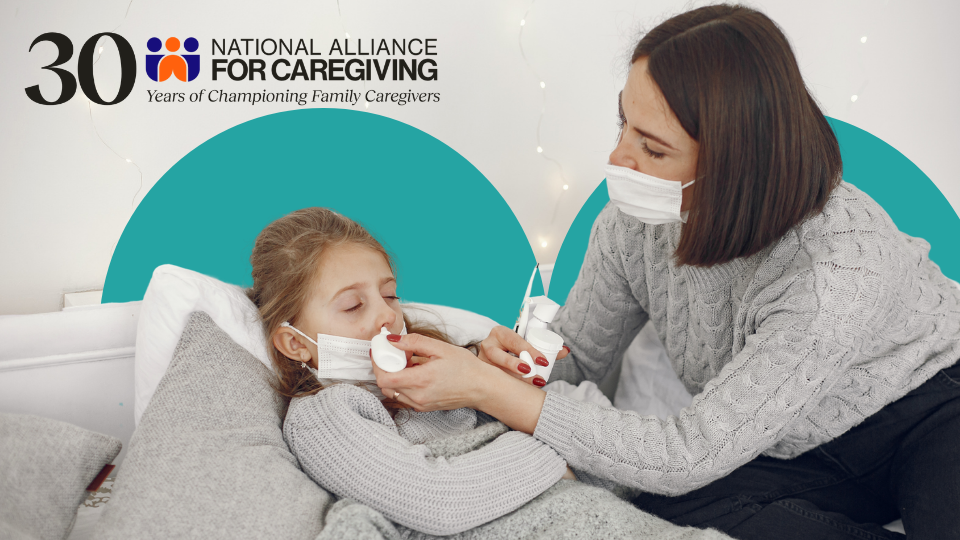
When the COVID-19 pandemic pushed families to the brink, Caregiving in the U.S. 2020 revealed that 53 million Americans were providing complex care—a staggering jump of 9.5 million people in five years. The pandemic exposed what our data had shown for decades: the American health system runs on an unpaid workforce stretched to its breaking point. In response, the Biden Administration delivered the historic 2022 National Strategy, outlining nearly 350 federal actions built squarely on the foundation NAC’s research had spent a quarter-century constructing.
A More Complete Picture
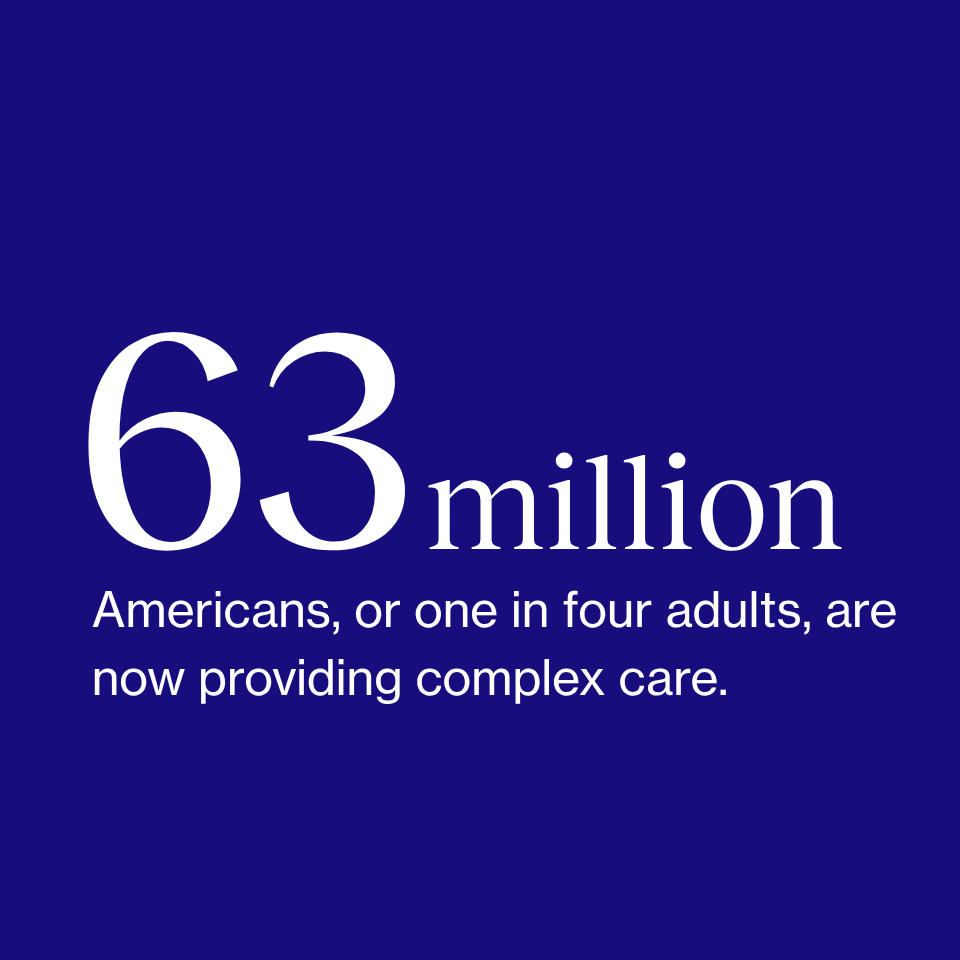 Our latest 2025 edition of Caregiving in the US shows that 63 million Americans, or one in four adults, are now providing complex care. That is a nearly 50 percent increase since 2015—a caregiving surge hiding in plain sight. For the first time, our report introduced state-by-state data, revealing deep, systemic disparities. Caregivers in Georgia face a 59 percent rate of financial strain, compared to 34 percent in Minnesota. Where you live shouldn’t double your risk of financial hardship. Today, nearly half of all caregivers provide high-intensity daily assistance, and nearly 30 percent are “sandwich generation” caregivers, simultaneously raising children and caring for adults. Together, family caregivers contribute an estimated $1 trillion in unpaid labor to the American economy every year.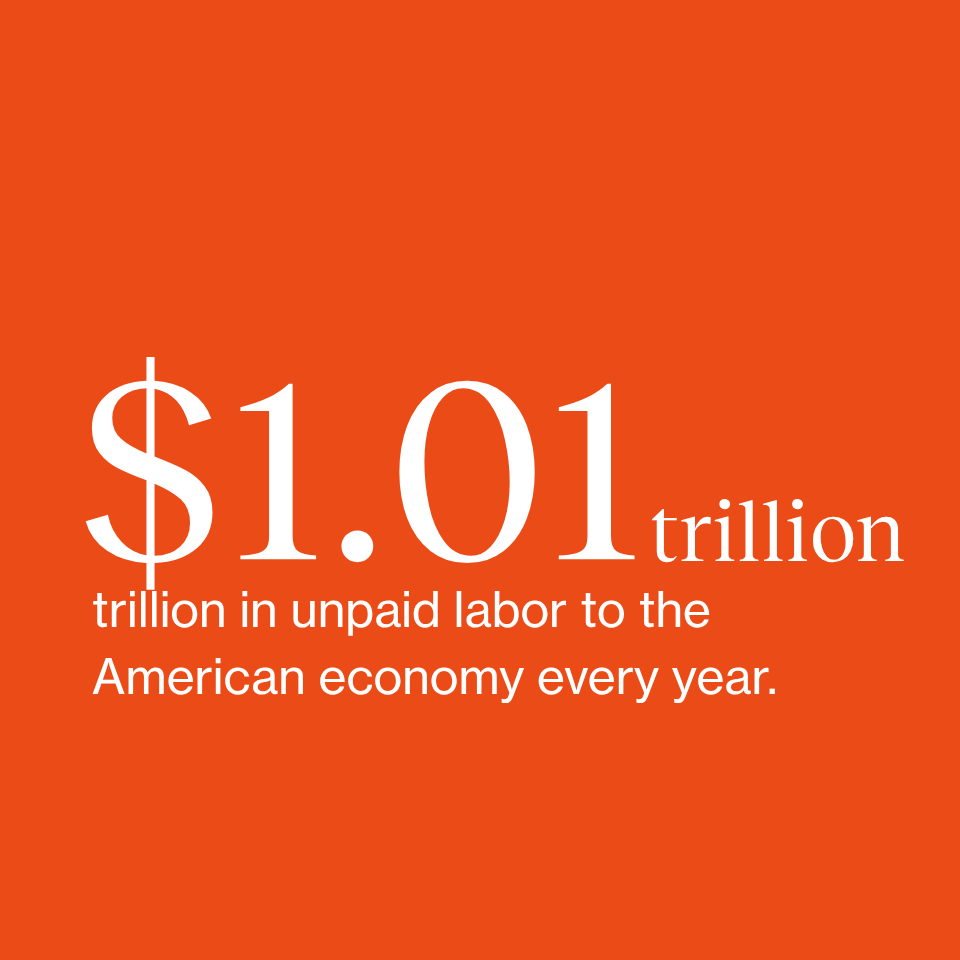
Yet, the 2025 data also provides undeniable proof that thirty years of pushing for visibility is yielding a historic dividend of systemic change. Access to paid family leave has more than doubled since 2015, with 13 states and D.C. now protecting caregivers’ livelihoods. Furthermore, healthcare systems are finally treating caregivers as vital clinical partners; our data shows that when caregivers receive formal training for complex medical tasks, an overwhelming 96 percent report feeling well-prepared. Combined with a measurable rise in workplace flexibility and employer-backed support programs, these gains demonstrate that the care economy is finally being recognized as both a health and an economic imperative. Our job now is to close the gap between what the data shows works, and who can actually access it. 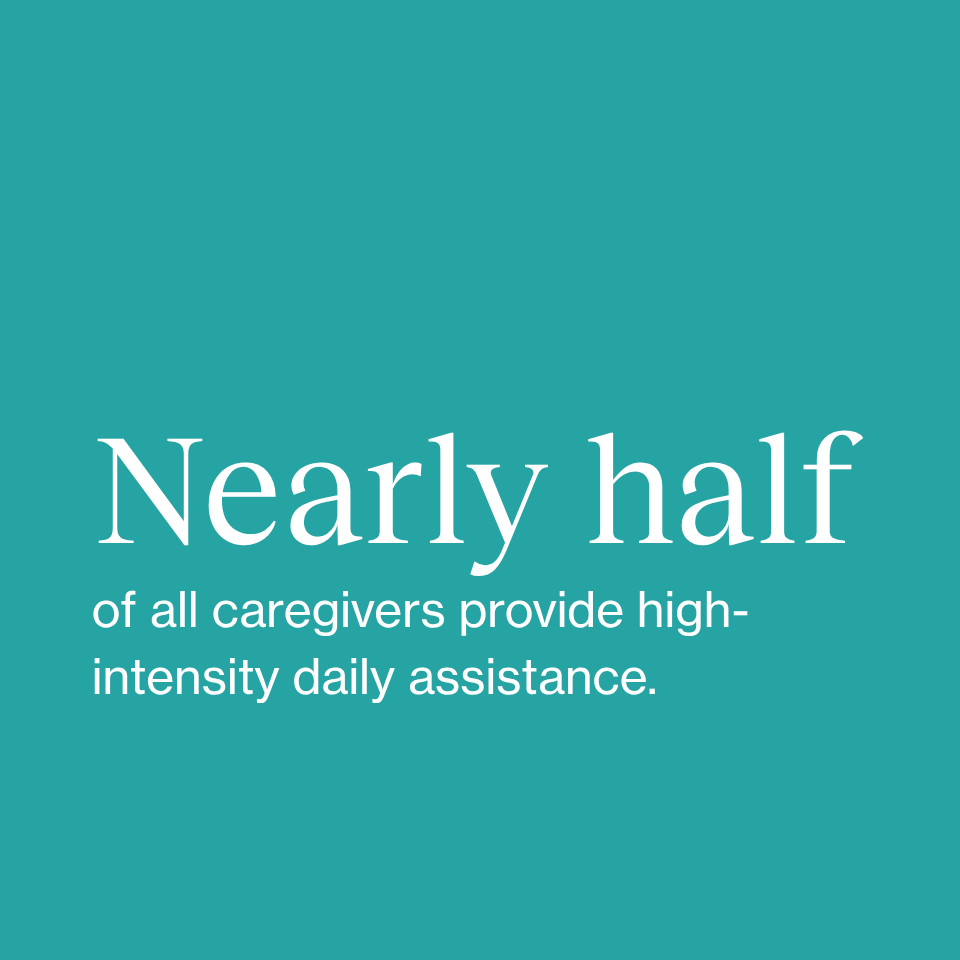
When the Ground Shifts
Progress in policy is rarely a straight line. When Congress introduced H.R. 1—legislation loaded with sweeping cuts to Medicaid—NAC mobilized. Alongside our national and state partners, we took the fight to Capitol Hill, making the human cost of those cuts impossible to ignore.
The result was a hard-fought, historic victory: family caregivers secured an explicit exemption from the bill’s Medicaid work requirements.
This marked the first time in U.S. history that federal law formally recognized family caregiving as work. It is a profound symbolic milestone, but in policymaking, symbols become the floor for the next big fight. For thirty years, NAC has argued that caregiving is an indispensable economic contribution, not a personal favor. That argument is now written into federal statute.
What Thirty Years Has Taught Us
When NAC was founded, there was no national caregiver count, no federal strategy, and no global coalition (we’ve since helped launch the International Alliance of Carer Organizations, now representing 16 nations). Caregiving was treated as an individual burden, mostly shouldered by women in silence, and ignored by the institutions that depended on it.
Thirty years of research, advocacy, and coalition-building haven’t solved the care crisis—but they have made looking away impossible. Once you see family caregivers, you cannot unsee them. An economy and a health system that rely on their labor must finally be held accountable to their well-being.
That mission has always been simple, demanding, and urgent. The next thirty years must keep that promise—and ensure caregivers are never again invisible to the systems that depend on them.