

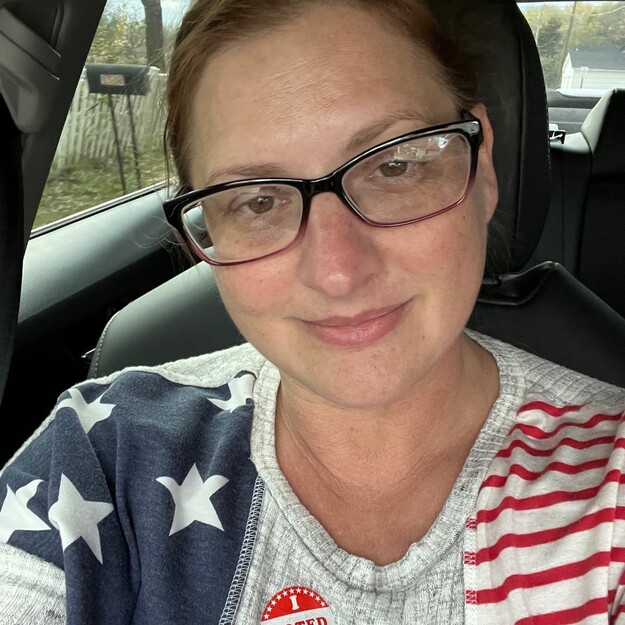
Teresa is the mother of two sons, one of whom is a 26-year-old with profound autism. Teresa acts as his guardian and his representative for self-directed services. She is also his caregiver.
Teresa’s son qualifies for personal assistance (PA) services under a Medicaid home and community-based waiver. The personal assistant can help with his 24/7 care so that he can live somewhat independently. However, this help depends on an assistant being available, which is not always the case.
Self-directed services, also provided by Medicaid, are used to fill the gaps in care when a PA is not available. This self-direction means that Teresa is able to identify and hire someone directly to help care for her son rather than go through an agency. The family struggles month to month with staffing gaps, leaving Teresa to care for her son alone when positions go unfilled.
Care includes helping her son get dressed, bathing, feeding, and making sure he goes outside to be social. The help provided through Medicaid brings a huge sense of relief and allows her to have a part-time job, working as a substitute teacher and pulling shifts around her son’s care schedule.
Without Medicaid, Teresa and both her sons would be homeless. Teresa does not have the financial resources to keep a home without the support Medicaid provides, and fears her son would be taken from her and institutionalized. Teresa is scared both boys could suffer potential mental, emotional and even physical abuse if they were to be put in this position. Medicaid is a source of livelihood for many – it can’t just be cut.
“There will always be a small amount of people who take advantage. But there are way more people out there who need and have to have Medicaid. You can’t just cut Medicaid to those people who absolutely need it for their livelihood.”
“By cutting Medicaid, you are cutting people’s livelihood, and you are destroying people’s lives. When I hear people say, ‘we’re going to cut Medicaid,’ it is a devastating statement to say without knowing the ramifications of what it does to people, and how it’s going to affect their lives from that point forward.”