My true love has always been stories.
More specifically, it’s in the preservation of stories; documenting experiences so they can help us understand where we’ve been and shape where we go next. I’ve always believed history is one of the most powerful forces in the world because of the way individual lives connect to one another across time.
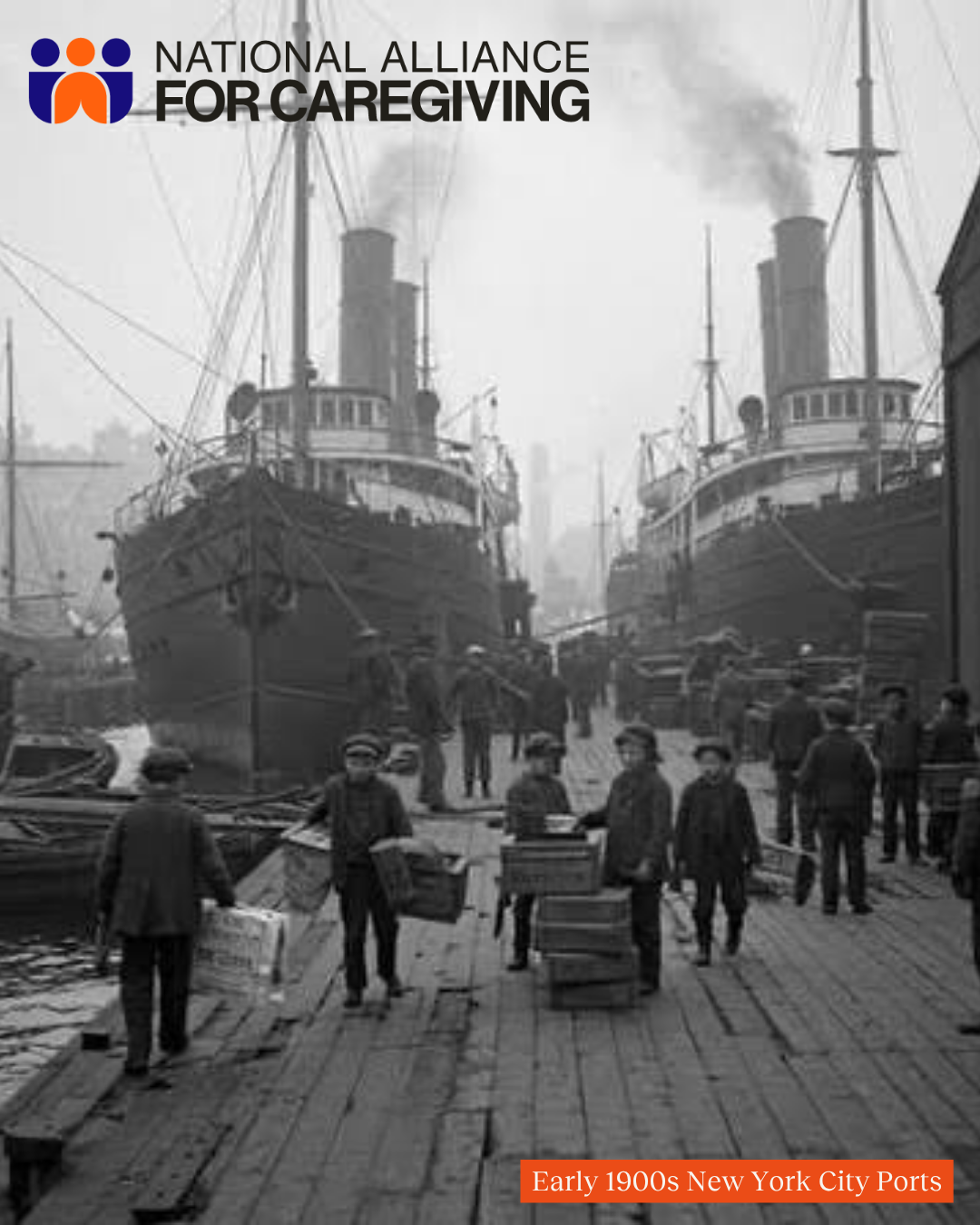
As an intern at the National Archives, long before I worked in caregiving, I spent a summer reading early 1900s records from the Port of New York City: ship manifests, docking requests, routine documents that, on paper, seemed ordinary. What struck me most is every page held a unique story. Yet there was a common theme: a feeling, a challenge, a moment of uncertainty.
Years later, I found that same connection in caregiving.
Today, I am fortunate and honored to connect with caregivers every day. I am here to listen, learn, and share. But that is not the reality for most people providing care.
When I joined the National Alliance for Caregiving (NAC), I became surrounded by stories of care from colleagues, partners, and advocates. Soon, I started hearing those stories everywhere. A friend describing managing medications for her father. A family member rearranging work around appointments. I found myself thinking: You’re a caregiver with my own care story.
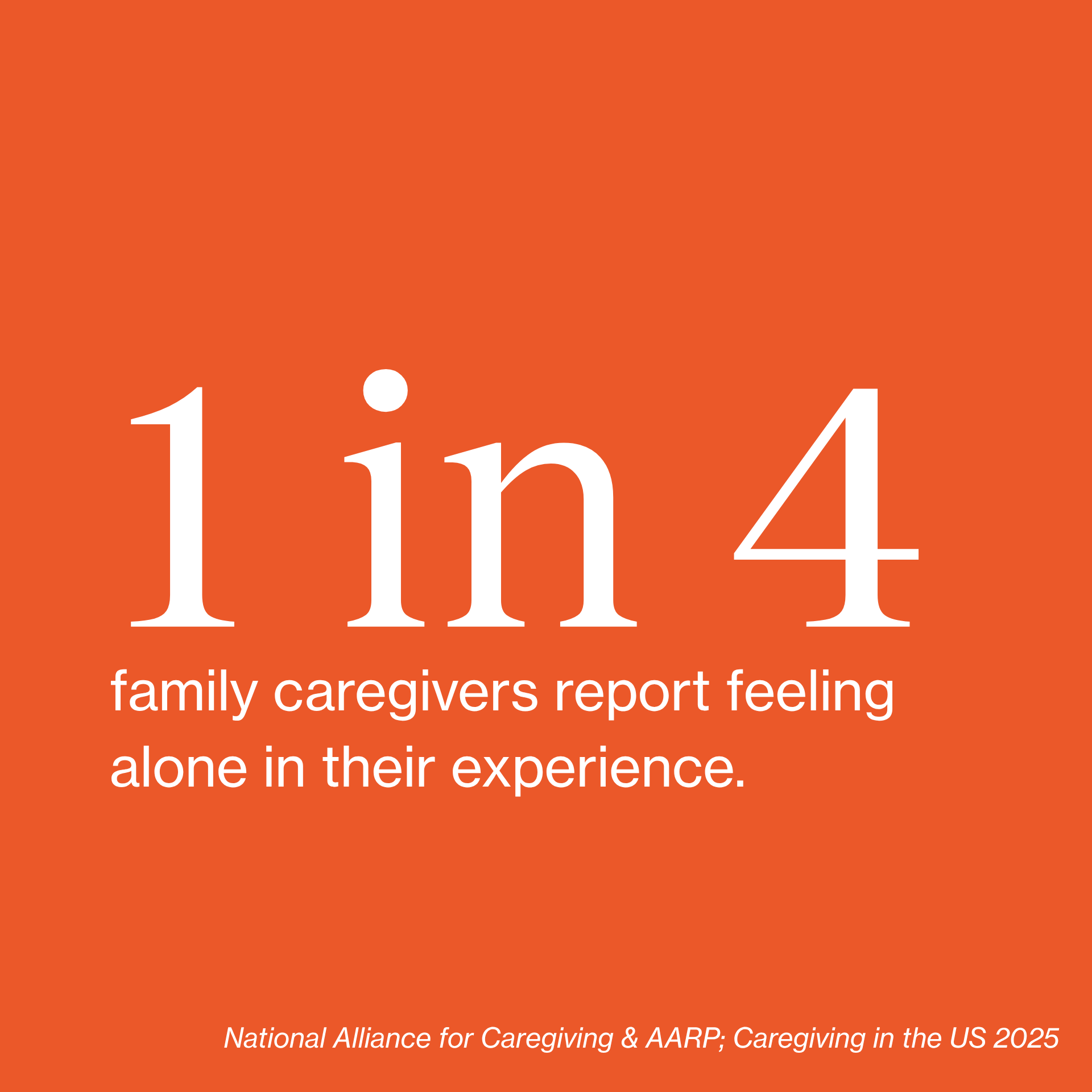
Caregiving can be incredibly isolating. According to our Caregiving in the US 2025 report, nearly one in four family caregivers report feeling alone in their experience.
Some caregivers were eager to tell their stories. Others shared them more cautiously, with uncertainty or hesitation. But nearly every conversation revealed the same truth: there was a moment when they were already providing care, yet had no idea they had become a caregiver.
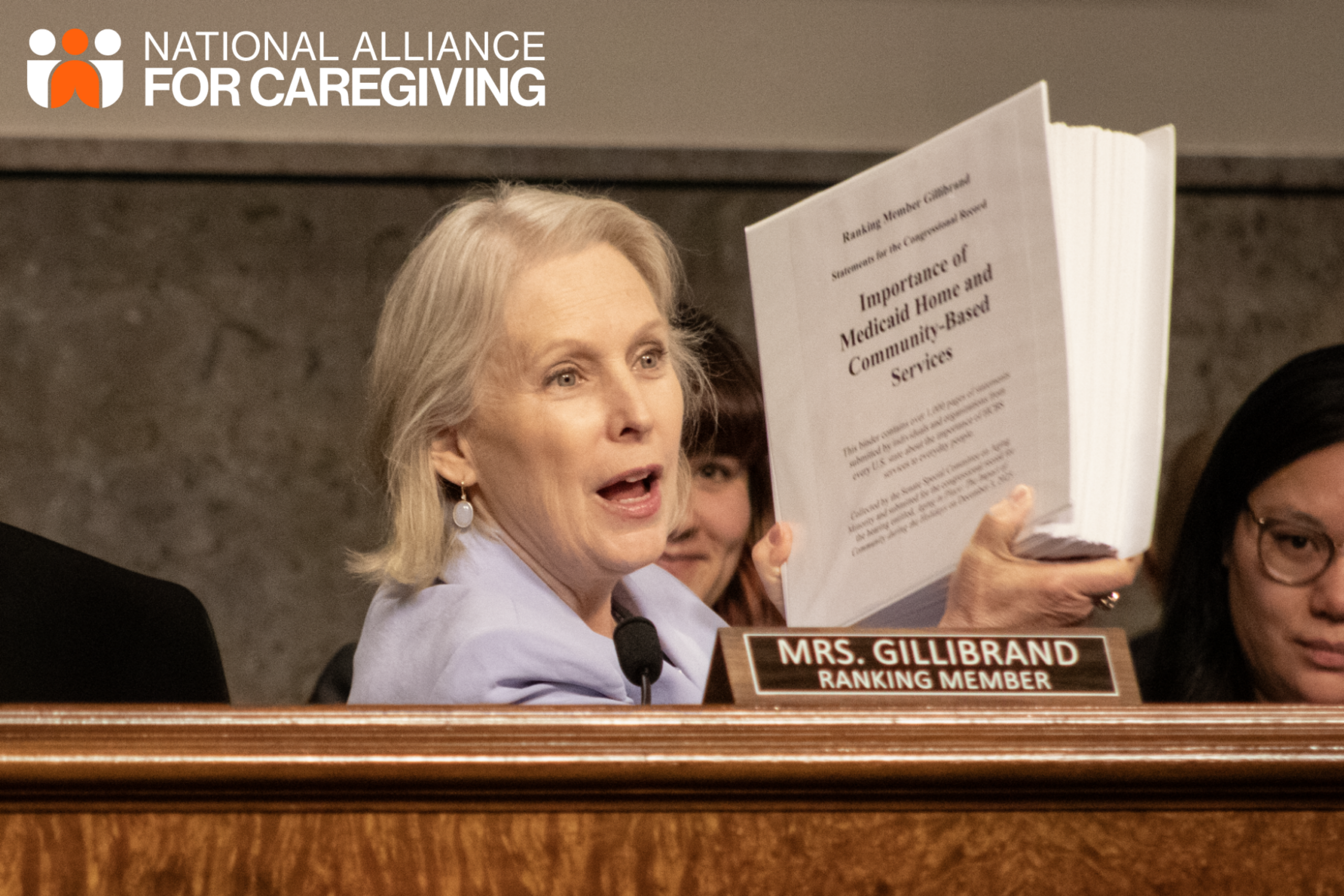
Some recognized it early. Others moved through years of coordinating appointments, managing medications, advocating, and sacrificing; believing they were simply doing what family members are supposed to do.
That matters. Because when you don’t recognize yourself as a caregiver, you may not realize there are others like you. You may not know support exists. You may never tell your story.
My work with NAC has fundamentally changed how I think about storytelling. Too often, we treat stories as evidence to support policy or statistics to support research. But for caregivers, storytelling can serve another purpose: recognition.
It can be the moment someone realizes that what they have been doing for months or years has a name. That they are a caregiver. That millions of others share parts of that experience. That they are not alone.
An acknowledgment that what they are doing has a name and that they are not alone.
Sometimes people hesitate. They’ll say, “I’m happy to speak with you, but my story isn’t special.”
I always respond the same way: I’ve heard hundreds of caregiver stories, and I have never heard the same story twice. Two siblings can live through the same caregiving experience and tell entirely different stories because they experienced it differently, carried it differently, and were changed by it differently.
That’s what makes stories powerful.
At NAC, we are building systems to preserve, elevate, and learn from caregiver stories because storytelling is not separate from our mission—it is essential to advancing it. We pair lived experience with research because meaningful change requires both evidence and human experience.
That responsibility is not something I take lightly.
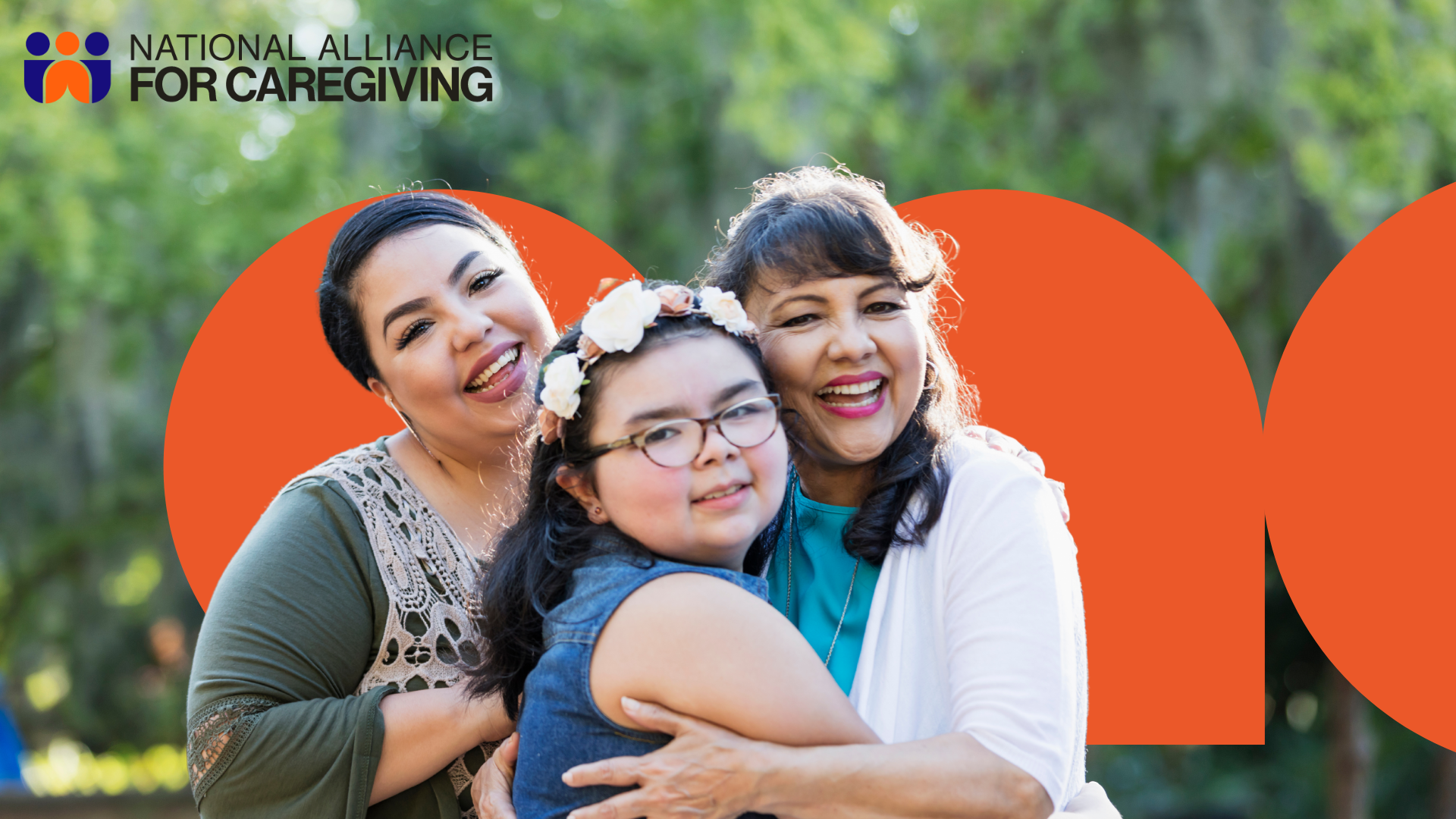
Caregivers trust me with some of the most personal moments of their lives, and those stories always remain theirs. They shape how their experiences are shared. They approve the language. They decide what stays private and what enters the world.
Sometimes, the most meaningful parts are the ones that are never published.
To every caregiver who has shared their story with me: thank you. Your story matters.
You may never know the exact policy it influences, the decision it informs, or the person it reaches. But I can promise this: someone has recognized themselves in your story.
And that connection matters more than you know.
If you’re a family caregiver and have ever wondered whether your story matters, I hope you’ll consider sharing it. Whether your caregiving journey lasted weeks or decades, whether it felt extraordinary or ordinary, your experience can help someone else feel seen, understood, and less alone. Every story helps us better understand caregiving; not just through data, but through the moments, decisions, and realities that shape daily life. Your story could help inform research, inspire connection, and make caregivers more visible.
To share your story, visit us at www.caregiving.org/share-your-story