Beyond the Desk: Care Conversations is a dynamic series spotlighting the voices of the National Alliance for Caregiving team as they share personal experiences, professional insights, and bold ideas shaping the future of family caregiving. Through candid dialogue, the series reveals the human stories behind the work and highlights diverse perspectives driving meaningful change for caregivers nationwide.
Growing up as an African American woman, care was never explained to me. It was demonstrated.
It lived in kitchens and hospital waiting rooms. It showed up in who made the calls, who drove to the appointments, who stayed late, and who woke up early. I learned what care looked like by watching the women in my life hold everything together — often without being asked. 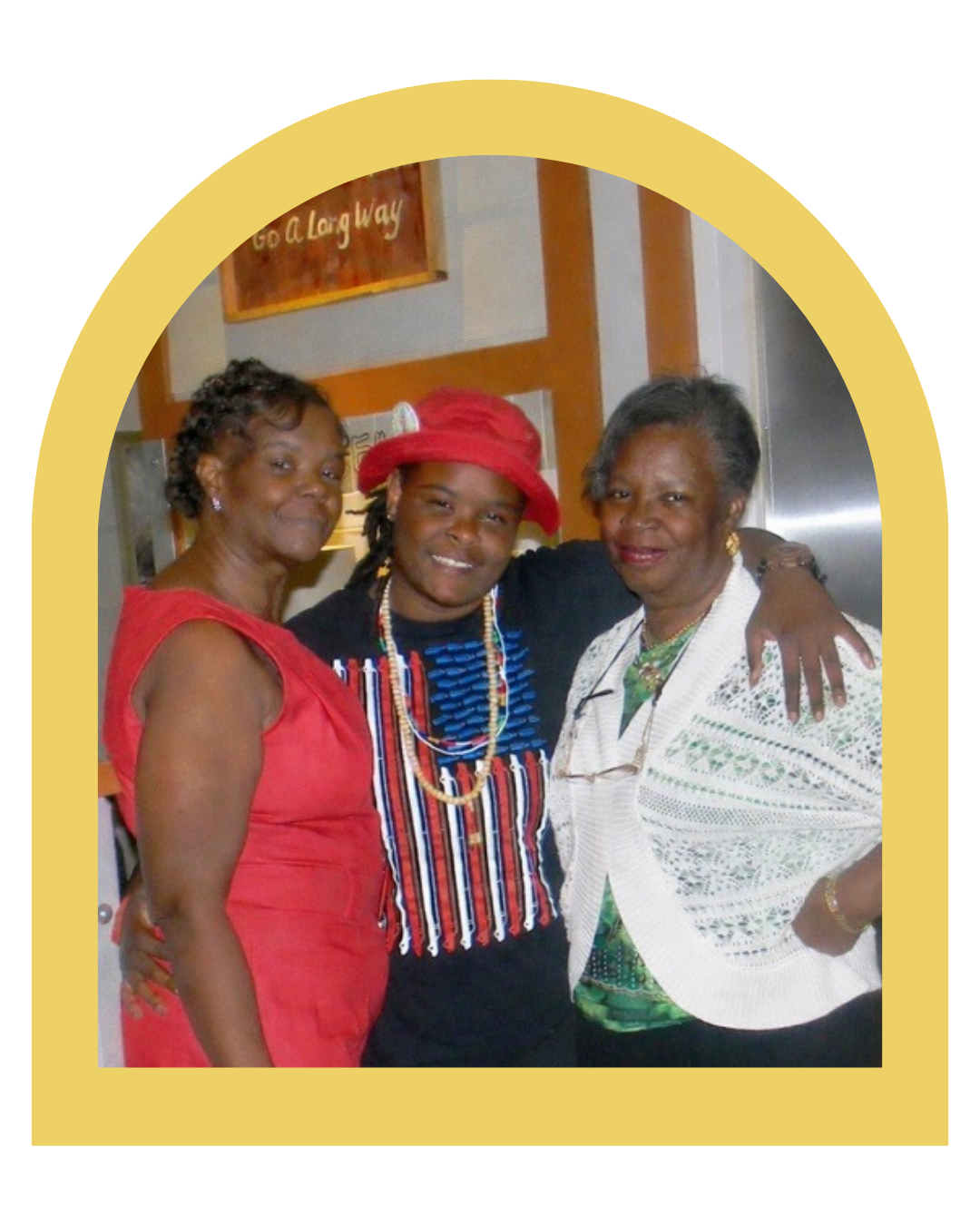
One of my clearest examples of that care is a friend I’ve known since high school.
She has spent years caring for her mother and her grandmother at the same time. She stayed close when it would have been easier to leave. She built her life around their needs while still trying to honor her own dreams. What moves me most is not just her sacrifice, but the way she loves them as they are now, even as their capacities shift.
Watching her taught me that caregiving is not about dramatic moments. It is about choosing, every day, to show up. It is about rearranging your time, your finances, your energy. It is about accepting that love will cost you something and giving that love to people anyway.
For a long time, I thought I was witnessing the stories of other women around me. Seeing the weight that it placed on them.
Then caregiving became my own.
When my mother’s health changed, my life changed too. I became a long-distance caregiver, navigating appointments, information, and worry from miles away. Around the same time, I became a new mother. I found myself caring in two directions, sandwiched between nurturing a child while trying to support the woman who raised me.
Distance adds a different kind of weight. You are not there to see everything with your own eyes. You rely on phone calls, secondhand updates, and your own instincts. You carry a constant undercurrent of concern. And yet, you keep going.
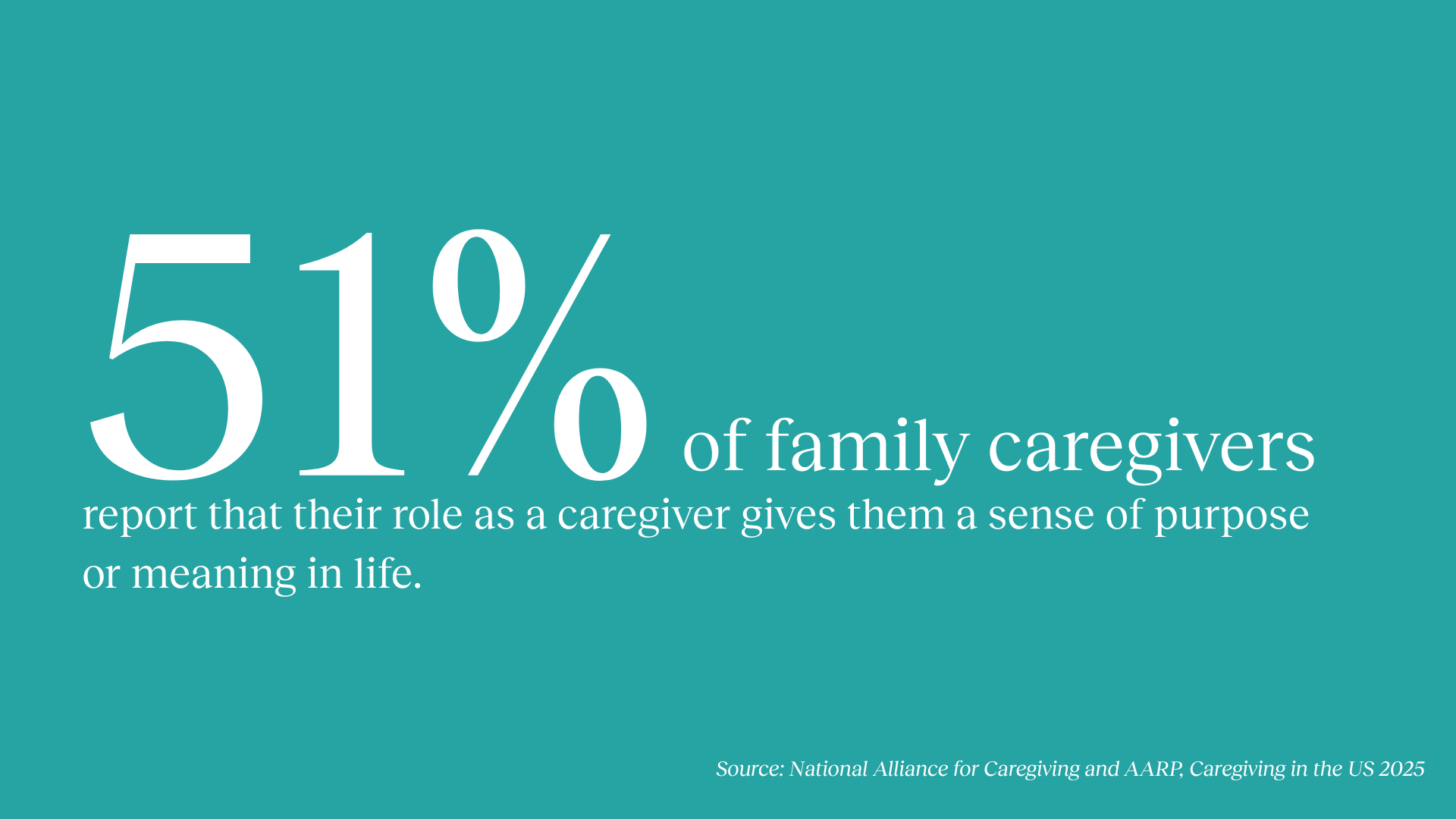
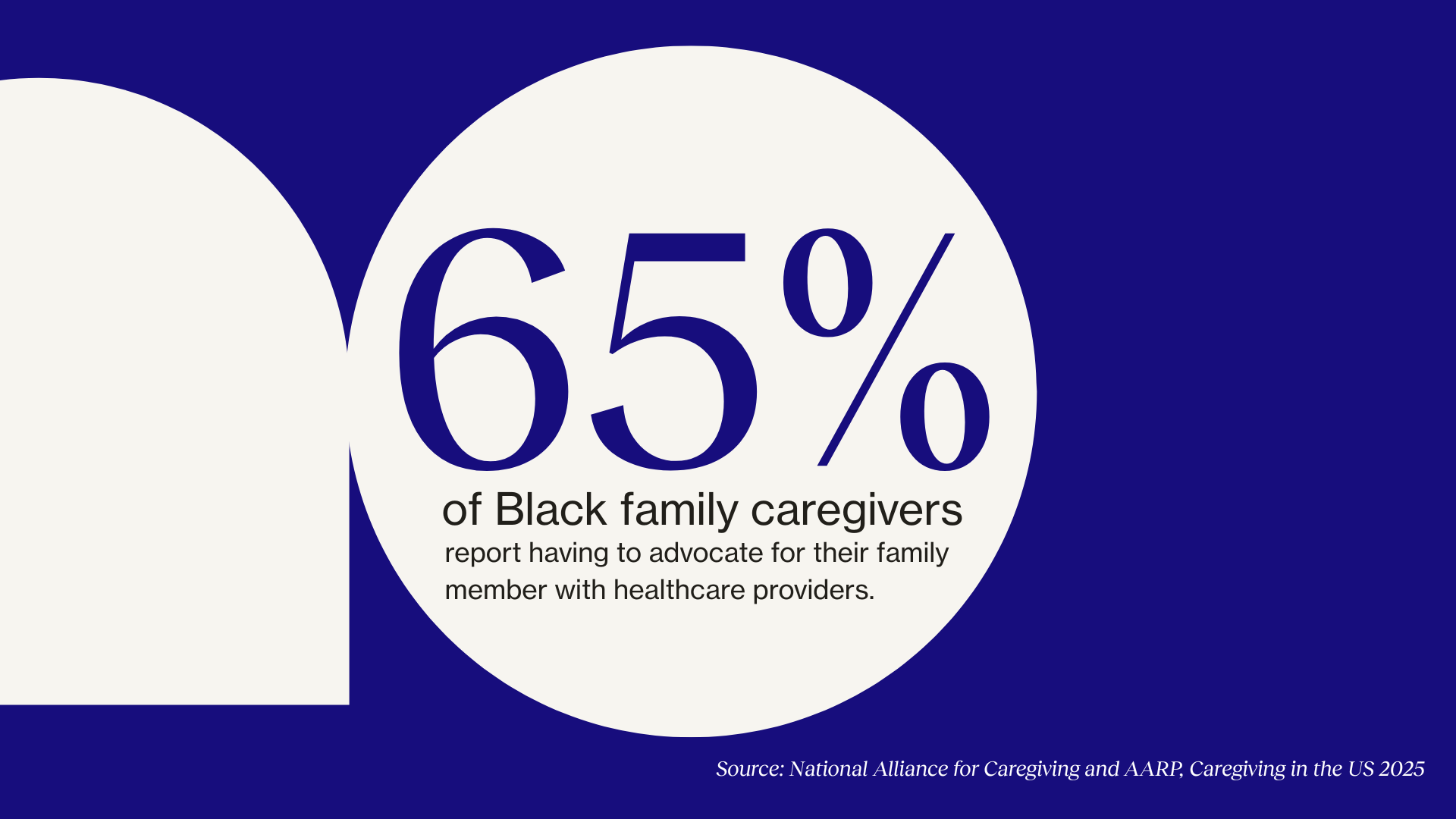
Doing this work at the National Alliance for Caregiving during this chapter of my life has felt deeply personal. At NAC, we talk about caregiver health and economic well-being. We analyze data about stress, isolation, lost wages, and mental health strain. The stats tell us these experiences are worse for Black Americans. But behind every percentage point is someone like my friend. Someone like me.
Someone like you. 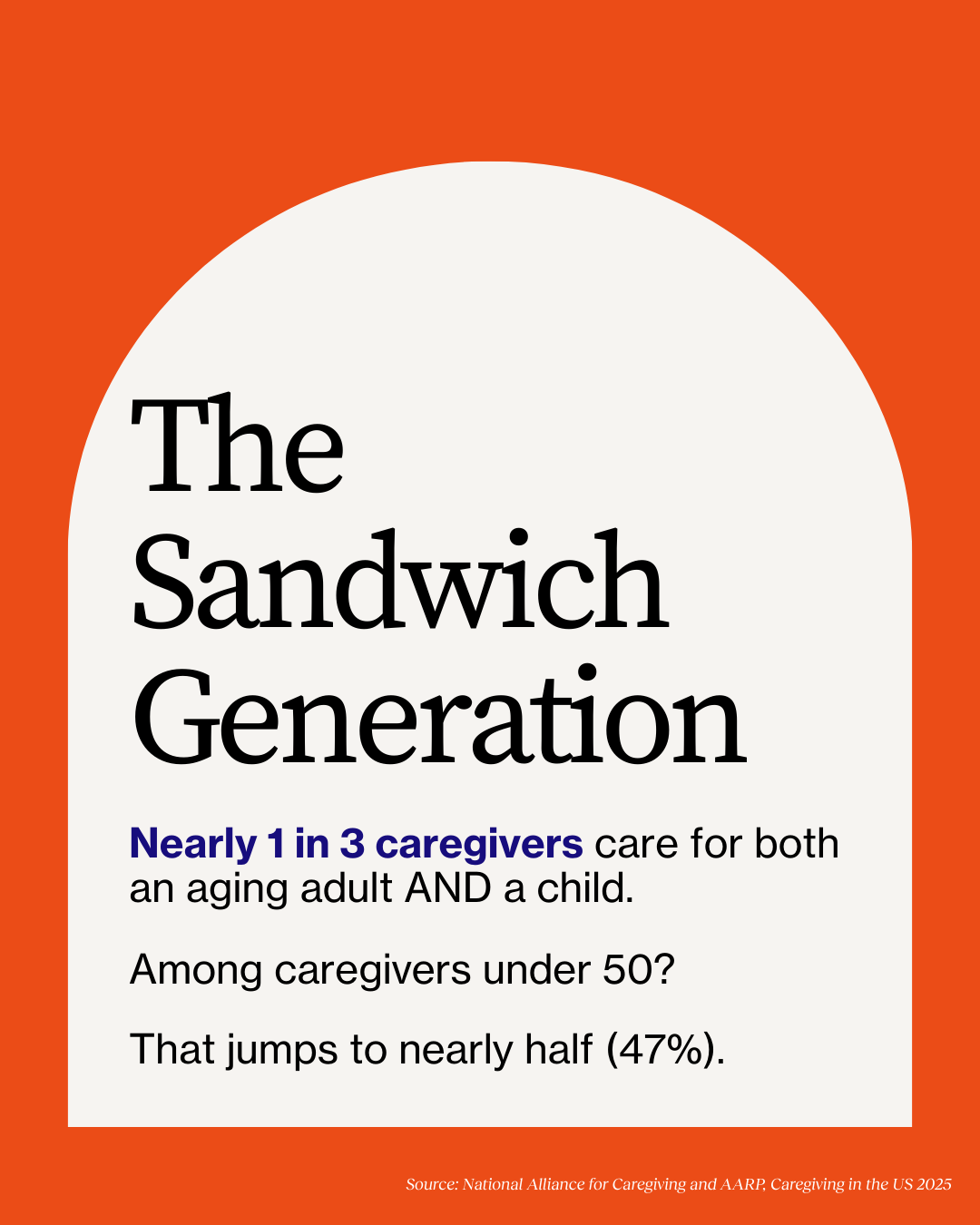
In Black communities, caregiving has long been both expectation and inheritance. When formal systems fell short, we stepped in. We pooled resources. We stretched ourselves. We carried one another. NAC’s work shows that this is still the Black experience today. Our legacy is powerful — but it can also be heavy.
My caregiving experience has taught me that strength is not loud. It is steady. It is answering the phone again. It is wiring money when you can. It is booking the flight. It is staying present even when you are tired.
It has also taught me that caregivers need care, too.
 As we reflect during Black History Month, I think about the quiet stories that rarely make headlines. My mind and heart go out to the daughters, grandsons, neighbors, and friends who are holding families together. Their work is intimate. It is essential. It has depth.
Because even when life changes, even when the role finds you unexpectedly, even when you are caring from miles away, you remain.
To learn more about Caregiving in the US data, visit www.caregivingintheus.org
To share your story with us, visit www.caregiving.org/share-your-story/
ABOUT THE AUTHOR: Davisha Davis serves as the Associate Director, Communications at the National Alliance for Caregiving.